61.01. Countercultures
Countercultures seek to expand society's dominant Realm through cultural change, developing systems of norms rooted in fundamental opposition to dominant culture. They often generate Power by rejecting the notion of people governed by socially constructions they were not consciously involved in the development of. Long before ‘the Hippie’ was reduced to a mass-produced Halloween costume, this identity posed a threat to inequities in American society by subverting what we understand to be normal.
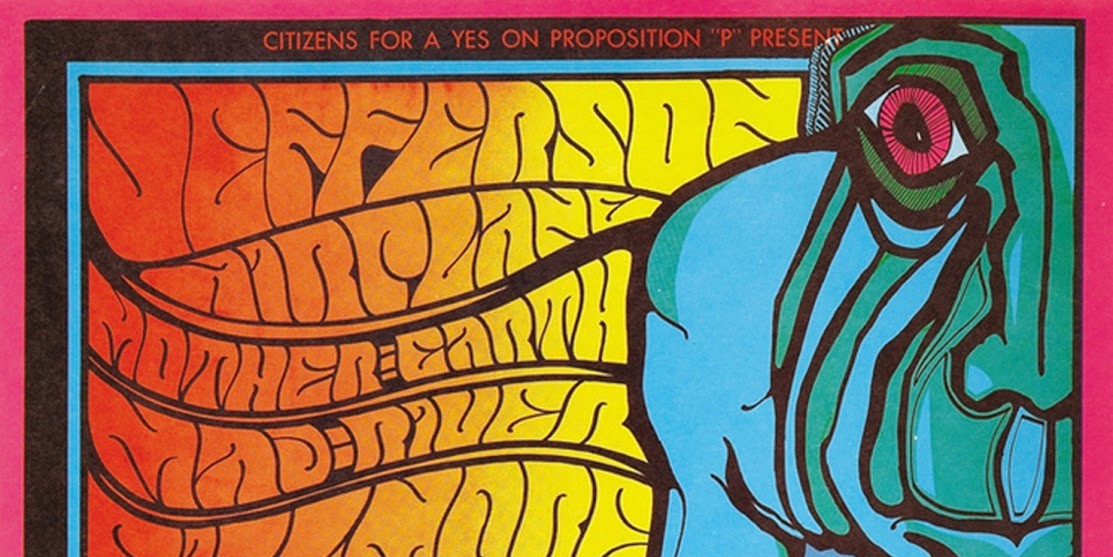
Benefit for Proposition P, Jim Blashfield, 1967
Countercultures are sort of a black sheep among the Power Generators. Unlike those who were already oppressed by (or otherwise existed outside) society's Dominant Realm, members of countercultures typically make that decision on their own. Participation is on a spectrum anyway, so they could potentially have the lower-stakes privilege of returning to comfort at any time.
The general image of countercultures, that of psychedelic experimentation and retreat from society, also probably seems innocuous compared to more explicit forms of political action. Their boundary negotiation was not intentionally addressing poverty, racism, or other disparities in Power Capacitors. Even without over-generalizing, I think it's reasonable to suggest their placement in this section is not without controversy!!
Regardless, there is still much to learn from those who critique the Dominant Realm from the inside. Instead of a material focus, countercultural actions often serve to question the resolute supremacy of mainstream institutions and culture.[^1] In some cases, they even develop alternative Power Reactors of their own. So, while this page is far from exhaustive, here are some insights we can glean from countercultures: